
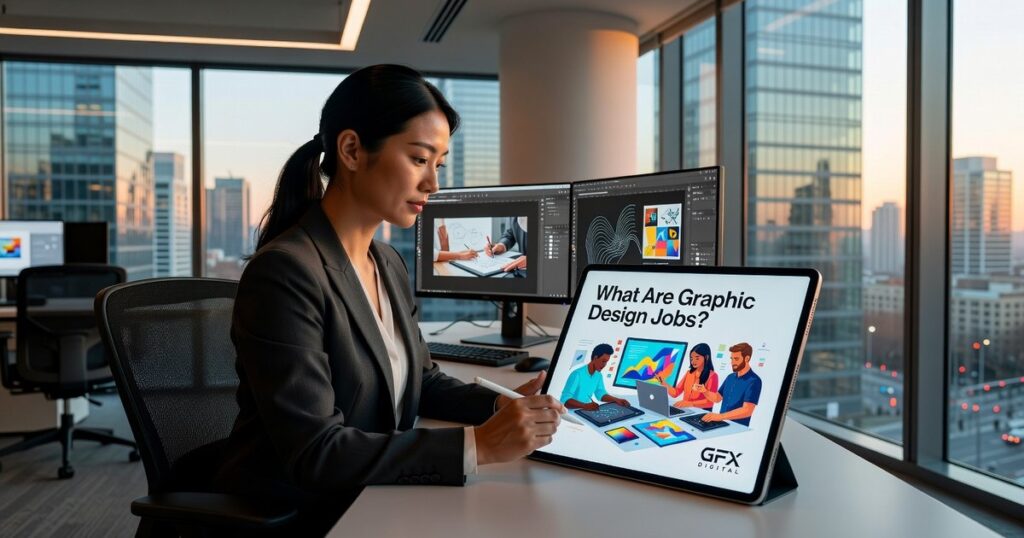
I get asked all the time what graphic design jobs actually look like in 2025.
The field has split into so many directions that most people starting out feel lost before they even begin. You see job titles that didn’t exist five years ago and wonder where you’d even fit.
I’ve been tracking how digital design roles have evolved and where the real opportunities are right now. Not the glamorous stuff people post about. The actual jobs that are hiring.
This guide walks you through the different paths you can take in digital graphic design. I’ll show you what each role actually involves and what skills you need to get there.
What are graphic design jobs? They’re not just one thing anymore. The field has expanded into specializations most people outside the industry don’t even know exist.
I’ve analyzed current job markets and talked to designers working in these roles today. That’s how I know what I’m sharing here reflects what’s really happening in the field right now.
You’ll learn which roles are in demand, what companies are actually looking for, and how to position yourself for the career path that fits you best.
No fluff about following your passion. Just clear information about what works.
The Digital Shift: What is a Digital Graphic Designer in Today’s Market?
You’ve probably noticed something.
Every brand you interact with lives on a screen now. Your phone, your laptop, that tablet collecting dust on your coffee table.
And someone has to design all of it.
That’s where digital graphic designers come in. But if you’re picturing someone who just makes things pretty, you’re missing the bigger picture.
What Digital Graphic Designers Actually Do
A digital graphic designer creates visual experiences for screens. Not posters. Not brochures. Screens.
That means websites that actually work. Apps you don’t immediately delete. Social media content that stops your scroll (even if just for a second).
The shift from print to digital changed everything. When I design for digital, I’m thinking about how someone taps, swipes, or clicks. How the layout adjusts when you flip your phone sideways. How motion guides your eye to what matters.
Print designers don’t worry about that stuff.
Some people argue that design is design, regardless of medium. They say good composition and color theory apply everywhere. And sure, the fundamentals matter.
But here’s what they’re overlooking.
Digital design solves different problems. You’re not just communicating a message. You’re creating an experience that responds to user behavior. That’s a whole different skill set.
Why Companies Are Hiring Like Crazy
Every business needs a digital presence now. Not wants. Needs.
That coffee shop down the street? They need a website and Instagram content. That startup in your LinkedIn feed? They’re hiring designers for their app interface.
This is what the gfxdigitational tech guide from gfxmaker covers in depth. The demand isn’t slowing down.
For you, that means opportunity. Companies will pay well for designers who understand user flow and responsive layouts. Skills that translate directly to revenue.
When you search what are graphic design jobs gfxdigitational, you’ll find roles that didn’t exist five years ago. Motion designers. UX/UI specialists. Digital brand strategists. As the gaming industry continues to evolve, exploring graphic design jobs like those labeled Gfxdigitational reveals a wealth of innovative roles such as motion designers and UX/UI specialists that have emerged in just a few short years. As the landscape of the gaming industry rapidly transforms, delving into graphic design opportunities categorized as Gfxdigitational unveils a wealth of innovative roles that are shaping the future of digital creativity.
The market shifted. And it’s not shifting back.
Core Career Paths: Finding Your Specialization
You’ve got the skills. You know your way around design software. But which path should you actually take?
I see designers freeze up at this question all the time. They worry that picking one specialization means closing doors forever. Or they spread themselves too thin trying to do everything.
Here’s what I tell people. You need to pick a lane. At least to start.
Some folks will say specialization limits you. That staying general keeps more opportunities open. And sure, being a generalist has its place when you’re just starting out.
But here’s what they’re missing.
Clients don’t hire generalists for serious money. They hire specialists who can solve specific problems really well.
So let me walk you through the main paths in what are graphic design jobs gfxdigitational and what each one actually demands from you.
UI/UX Designer is where you go if you like solving puzzles. You’re building the architecture of digital products and making sure people can actually use them without wanting to throw their phone across the room. This means wireframing, prototyping, and spending time talking to real users. It’s less about making things pretty and more about making them work. (Though pretty doesn’t hurt.)
If you love visual work more than problem solving, Web Designer might be your spot. You’re the person who makes websites look good and feel right. Layout, typography, making sure everything works on a phone screen. It’s detail work. You need to understand how people read and scan content online because nobody actually reads anymore.
Now, Brand & Marketing Designer is a different animal. You’re telling stories but doing it fast. Social graphics, email campaigns, digital ads. This role moves quick because campaigns move quick. One week you’re designing Instagram posts, the next you’re building presentation decks. You need to keep brand identity consistent while cranking out fresh content. It’s not for everyone but if you like variety and don’t mind deadlines, this could work.
Then there’s Motion Graphics Designer. This is where static design meets animation. You’re creating explainer videos, animated ads, interface animations. It pulls from design principles but adds filmmaking and timing into the mix. If you’ve ever watched a product demo video and thought “I could make that better,” this might be your path.
My advice? Pick the one that sounds least boring to you and go deep for six months. You can always shift later. But right now, you need a clear answer when someone asks what you do.
Building Your Toolkit: The Essential Skills and Software
Let me be straight with you.
You can’t just wake up one morning and call yourself a designer because you made a cool Instagram story.
The tools matter. The skills matter. And if you’re serious about what are graphic design jobs gfxdigitational, you need to know what employers actually look for.
Some people will tell you that software doesn’t matter. That it’s all about creativity and vision. That a real designer can work with anything.
Sure. And a mechanic can technically fix a car with duct tape and a screwdriver.
But here in O’Fallon and across Missouri’s growing design scene, I see the same pattern. The designers who land good work know their tools inside and out.
The Technical Stuff You Actually Need
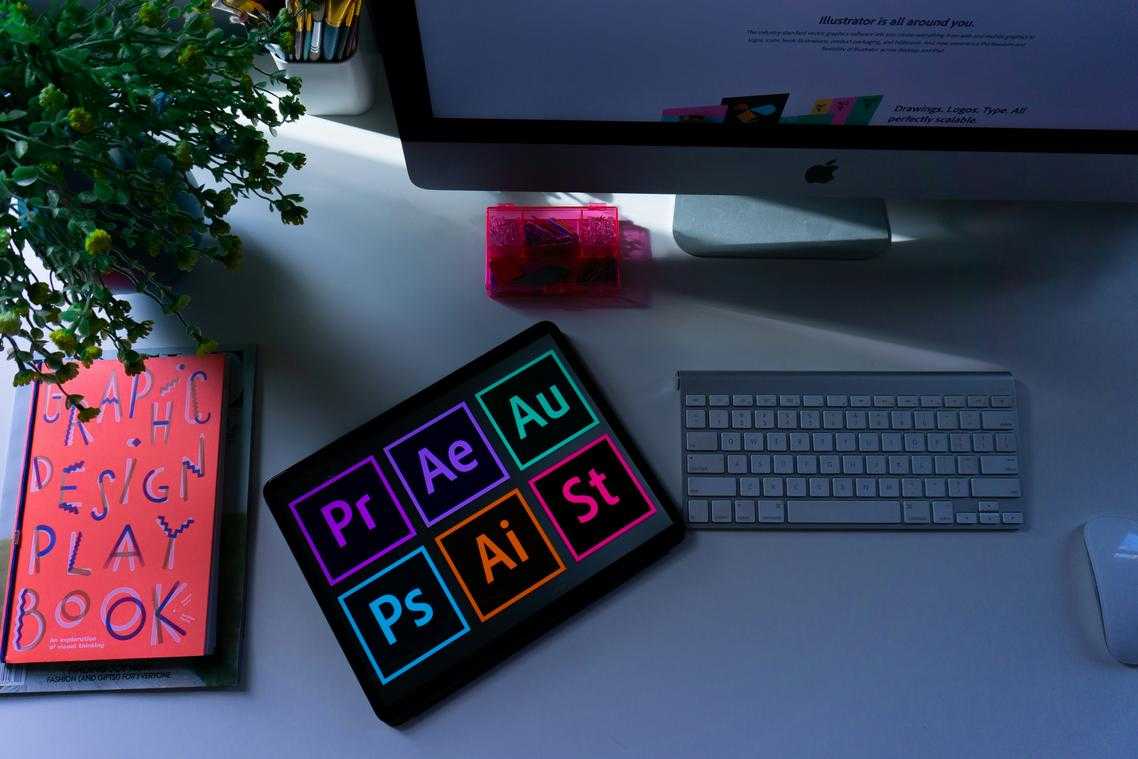
Adobe Creative Cloud isn’t optional anymore. Photoshop for image work. Illustrator for vectors. After Effects when you need motion. These are table stakes. As the demand for high-quality visuals in gaming continues to rise, leveraging advanced Software Tools Gfxdigitational alongside industry standards like Adobe Creative Cloud has become essential for any serious developer. As developers strive to create immersive gaming experiences, integrating innovative Software Tools Gfxdigitational into their workflows can provide the edge needed to stand out in an increasingly competitive market.
But here’s where it gets interesting.
UI/UX work has exploded. That means Figma, Sketch, or Adobe XD. Pick one and get good at it. Most studios around here prefer Figma because teams can collaborate in real time (which matters when you’re working with developers in different time zones).
You also need basic HTML and CSS knowledge. Not enough to build a website from scratch. Just enough so you’re not designing things that make developers want to throw their keyboards.
The Skills Nobody Talks About
Technical chops get you in the door. But they won’t keep you there.
You need to explain why you made certain choices. To clients who don’t know kerning from leading. To team members who think Comic Sans looks fine.
Design isn’t art therapy. It solves problems. User problems. Business problems. The sooner you see it that way, the better your work gets.
And stay curious. The software tools gfxdigitational covers today might be outdated in two years. That’s just how this works.
The Future of Design: Emerging Roles and Technologies
You’ve probably heard people talk about how AI is going to replace designers.
I’m not buying it.
But I do think the work is changing fast. And if you don’t understand what’s coming, you’re going to feel left behind.
Let me break down what are graphic design jobs gfxdigitational actually looks like in 2024 and beyond. Because it’s not what you learned in school.
AI-Assisted Design
This isn’t about robots taking your job. It’s about working with tools like Midjourney or Adobe Firefly to speed up the boring parts.
Think of it this way. You still come up with the concept. You still make the final calls. But now you can generate twenty variations in the time it used to take to make two.
Some designers hate this idea. They say it kills creativity. But here’s what they’re missing: the creative part was never about pushing pixels around for hours. It was about solving problems and making things that connect with people.
AR/VR Spatial Design
Flat screens aren’t going anywhere soon. But more work is moving into 3D spaces.
Someone needs to figure out how menus work when you’re wearing a headset. How buttons should feel when you’re pointing at them in midair (turns out, it’s harder than it sounds).
This is still new enough that most people don’t really get it yet.
Data Visualization and Interaction Design
Data visualization takes spreadsheets full of numbers and turns them into something people can actually understand. Interactive charts. Dashboards that tell a story. For those looking to elevate their data storytelling through stunning visuals, the Gfxdigitational Tech Guide From Gfxmaker offers invaluable insights into creating interactive charts and engaging dashboards that transform complex spreadsheets into easily digestible narratives. For those seeking to enhance their ability to present complex data in an engaging manner, the Gfxdigitational Tech Guide From Gfxmaker serves as an invaluable resource filled with innovative techniques and inspiring examples.
Interaction design is different. It’s about the small moments. How a button responds when you tap it. The way a screen slides in from the side.
Both matter more than most people think.
Design Your Future with Confidence
You now have a clear picture of the career paths available to you in digital graphic design.
That initial confusion about where to start? You can replace it with a focused strategy.
Pick a specialization that actually interests you. Build the technical skills it requires. Work on the soft skills that make you stand out.
That’s how you create a career that lasts.
Your next step is simple: start building a portfolio. Show off your skills in the area that excites you most.
What are graphic design jobs gfxdigitational offers depends on what you choose to pursue. The options are there.
You came here wondering which path to take. Now you know what’s possible and how to move forward.
The design world keeps changing. Your career will too if you stay curious and keep learning.
Start with one project. Make it good. Then build from there. Homepage.