

When we talk about Malay lesbian, we’re referring to individuals who are ethnically Malay and identify as lesbian. It’s a term that brings together cultural, religious, and personal identities, creating a unique and complex experience.
I’ve seen firsthand how these intersections can complicate someone’s life. It’s not just about being part of a community; it’s about navigating multiple layers of identity and expectation.
This article aims to provide a clear, supportive, and informational guide for those who want to understand this specific identity. Whether you’re exploring your own identity or supporting a loved one, it’s important to approach this with an open mind.
This is a deeply personal topic, and it requires a nuanced and respectful discussion. Let’s dive in and explore what it means to be a Malay lesbian.
The Cultural and Societal Context in Malaysia
Family and community are at the heart of Malay culture. Traditional family structures and expectations are deeply ingrained, and everyone is expected to play their part.
Islam, the official religion, heavily influences societal norms. It shapes views on sexuality and gender roles, making it tough for anyone who doesn’t fit the mold.
Marriage and having children are seen as essential life milestones. This can create a lot of pressure, especially for LGBTQ+ individuals. Imagine being a malay lesbian and feeling like you have to hide who you really are just to fit in.
In urban centers like Kuala Lumpur, attitudes are generally more liberal. You might see more openness and acceptance. But in rural areas, it’s a different story.
Conservative values dominate, and there’s less room for deviation from traditional norms.
Public discourse around LGBTQ+ topics is often stigmatized. People are afraid to speak up, and that makes open conversations nearly impossible. It’s frustrating, to say the least.
The lack of open dialogue means many people feel isolated and misunderstood. It’s a tough situation, and it needs to change.
Navigating Legal and Social Challenges
The legal landscape for LGBTQ+ individuals in Malaysia is like a minefield. Laws that criminalize same-sex relations make it tough to live openly. Adding to the complexity, there’s a dual justice system with civil and Syariah courts.
This means you could face different penalties depending on which court you end up in.
Social challenges are just as daunting. Imagine walking a tightrope where one wrong move could cost you your job, home, or even your safety. Discrimination in housing, employment, and public life is a constant threat.
For many, coming out is a highly calculated and private process. It’s not like the Western model where you might see people proudly sharing their stories. Here, it’s more like a secret you guard closely, only revealing it to a select few you trust.
Living in an environment that may not be affirming takes a toll. Stress, anxiety, and feelings of isolation are common. It’s like being in a room where everyone else is speaking a different language, and you’re the only one who can’t understand or be understood. Gfxdigitational
Take the case of Aisha, a malay lesbian. She’s been in a relationship for years but has never told her family. The fear of rejection and the risk of losing her job keep her silent.
Balancing family duty with personal authenticity feels impossible.
These real-world dilemmas highlight the immense pressure. Every decision is a trade-off, and the stakes couldn’t be higher.
Finding Community and Building a Support System
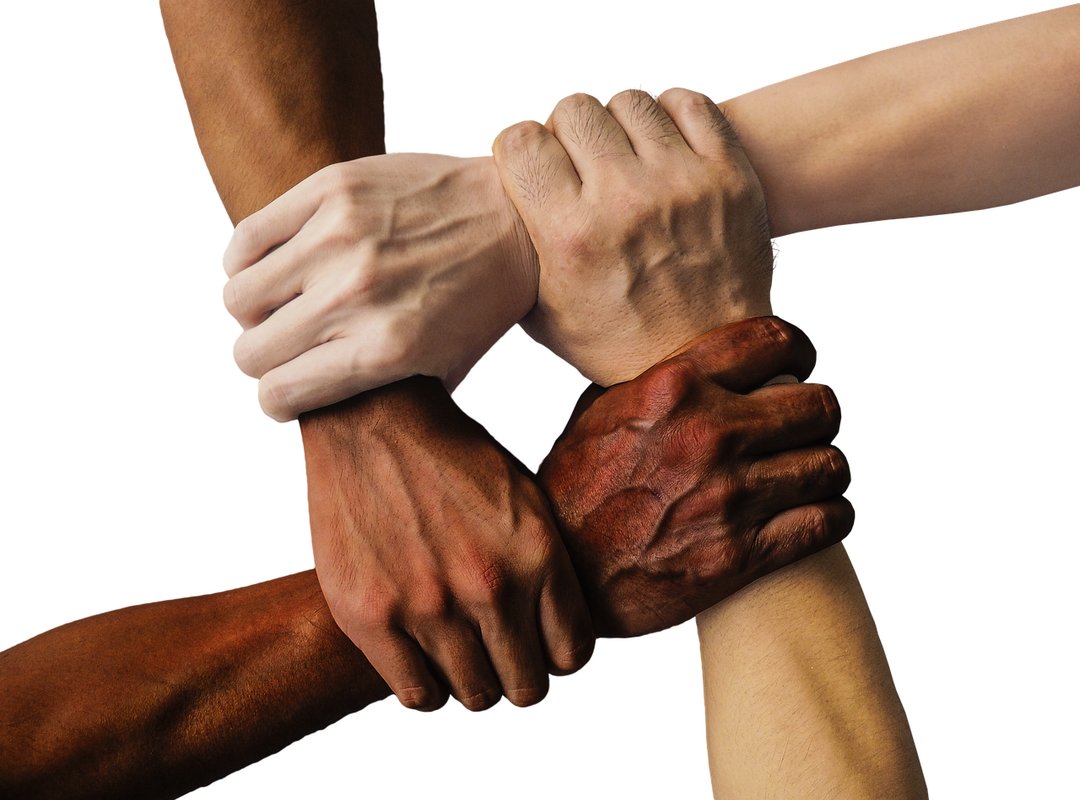
Finding a safe and supportive community can feel like a daunting task. But it’s more important than ever, especially if you’re part of a malay lesbian or any other marginalized group.
Start with online spaces. They can be a lifeline. Private social media groups, specialized forums, and secure messaging apps are great for connecting with peers.
Just make sure to prioritize digital safety and anonymity.
Identify and nurture relationships with trusted allies. These could be friends, family members, or even colleagues. It’s about finding people who get you and support you, no matter what.
Local and international LGBTQ+ organizations can also be a huge help. They often offer resources, counseling, and community events. Even if they operate discreetly, they can still provide a sense of belonging and support.
Vet groups and individuals carefully. Not every space is as safe and supportive as it claims to be. Look for red flags, read reviews, and ask for recommendations from people you trust.
Building a support system takes time. Prioritize safety and trust above all else. It’s a gradual process, but one that’s worth the effort.
Visibility, Representation, and Looking Forward
Representation, even in its subtle forms, is a powerful source of validation and connection. In independent media, art, and literature, it can affirm and celebrate diverse experiences.
Activists and advocates play a crucial role in increasing understanding and pushing for greater acceptance within Malaysian society. Their work is essential for malay lesbian and other marginalized groups to feel seen and heard.
The experience of navigating multiple identities is one of resilience and courage. It requires careful and often challenging navigation.
Solidarity and hope are vital. Acknowledging the difficulties while celebrating the strength and existence of the community is key.
Understanding and knowledge are the first steps toward creating a more inclusive and accepting environment.
 Lenorala Teneyck writes the kind of software development insights content that people actually send to each other. Not because it's flashy or controversial, but because it's the sort of thing where you read it and immediately think of three people who need to see it. Lenorala has a talent for identifying the questions that a lot of people have but haven't quite figured out how to articulate yet — and then answering them properly.
They covers a lot of ground: Software Development Insights, Expert Perspectives, Practical Tech Tutorials, and plenty of adjacent territory that doesn't always get treated with the same seriousness. The consistency across all of it is a certain kind of respect for the reader. Lenorala doesn't assume people are stupid, and they doesn't assume they know everything either. They writes for someone who is genuinely trying to figure something out — because that's usually who's actually reading. That assumption shapes everything from how they structures an explanation to how much background they includes before getting to the point.
Beyond the practical stuff, there's something in Lenorala's writing that reflects a real investment in the subject — not performed enthusiasm, but the kind of sustained interest that produces insight over time. They has been paying attention to software development insights long enough that they notices things a more casual observer would miss. That depth shows up in the work in ways that are hard to fake.
Lenorala Teneyck writes the kind of software development insights content that people actually send to each other. Not because it's flashy or controversial, but because it's the sort of thing where you read it and immediately think of three people who need to see it. Lenorala has a talent for identifying the questions that a lot of people have but haven't quite figured out how to articulate yet — and then answering them properly.
They covers a lot of ground: Software Development Insights, Expert Perspectives, Practical Tech Tutorials, and plenty of adjacent territory that doesn't always get treated with the same seriousness. The consistency across all of it is a certain kind of respect for the reader. Lenorala doesn't assume people are stupid, and they doesn't assume they know everything either. They writes for someone who is genuinely trying to figure something out — because that's usually who's actually reading. That assumption shapes everything from how they structures an explanation to how much background they includes before getting to the point.
Beyond the practical stuff, there's something in Lenorala's writing that reflects a real investment in the subject — not performed enthusiasm, but the kind of sustained interest that produces insight over time. They has been paying attention to software development insights long enough that they notices things a more casual observer would miss. That depth shows up in the work in ways that are hard to fake.