
Ever wondered about the small, often overlooked villages that form the heart of Punjab? They hold stories and histories that are just as rich and important.
Laltu village in punjab is one such place. It has a unique history and cultural identity. This guide will cover its history, location, culture, and significance.
If you’re a researcher, a descendant, or just curious about rural Punjabi life, this guide will answer your questions. Understanding these local histories helps us appreciate the broader culture of the region.
The Historical Roots and Significance of Laltu
Laltu village, tucked away in the heart of Punjab, has a history that stretches back centuries. Its founding families, though not widely documented, are believed to have settled there during the Mughal era.
The name Laltu itself is intriguing. In the local dialect, it might signify something red or vibrant, but the exact etymology remains a bit of a mystery. Some local legends suggest it could be named after a prominent figure or a significant event, but these stories vary from one elder to another.
Laltu village in punjab played a minor role during the Partition of India. Many families were displaced, and the village saw a shift in its demographics. This period was tumultuous, with the village serving as a refuge for some and a point of departure for others.
Over the years, Laltu has been home to several notable figures. One such family, the Singhs, produced a respected local leader who contributed significantly to the village’s development. Their efforts in education and community welfare left a lasting impact.
The village has evolved from a small, agrarian settlement to a more modern community. Today, you can see the blend of old and new, with traditional practices coexisting alongside modern amenities. This transformation reflects the broader changes in Punjab, where rural life is adapting to the demands of the 21st century.
Pinpointing Laltu: Geography and Demographics
Laltu village is nestled in the district of Ludhiana, within the tehsil of Jagraon, Punjab, India. It’s like a hidden gem, not too far from the hustle and bustle of major cities.
If you’re coming from Zirakpur, it’s about 80 kilometers away. Chandigarh? A bit closer at around 70 kilometers.
So, if you ever get lost, just head towards the nearest big city and ask for directions.
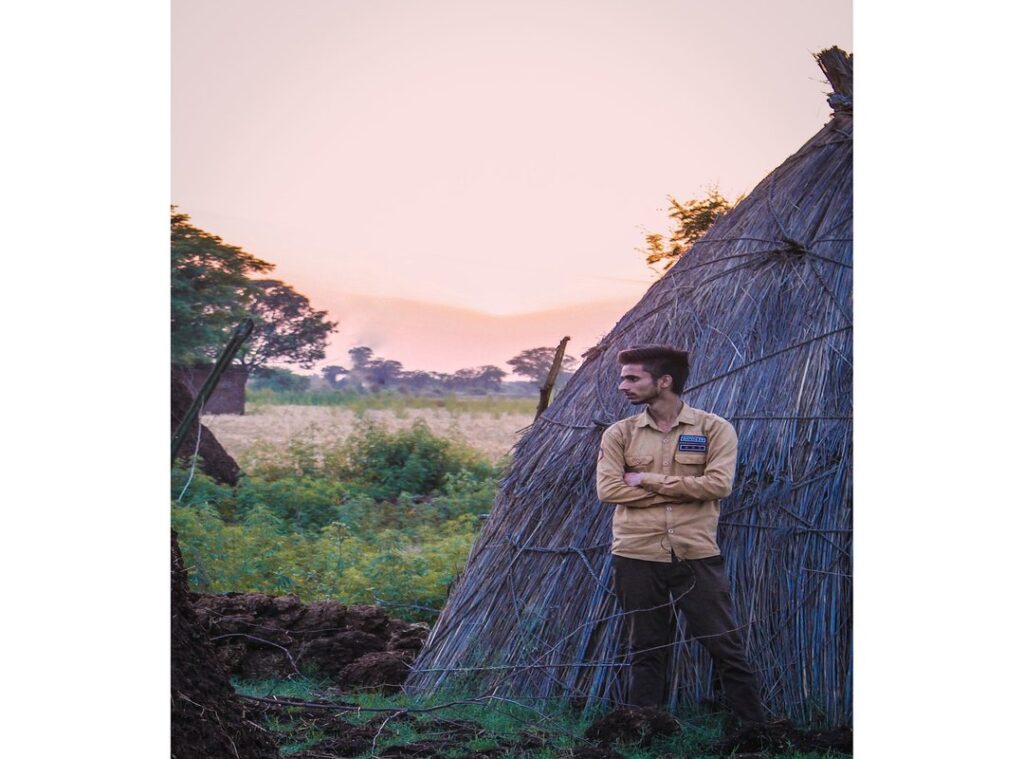
The physical landscape around Laltu village is a mix of lush green agricultural fields and the occasional canal. It’s a place where the land is as fertile as the conversations. The topography is mostly flat, making it perfect for farming.
You won’t find any mountains here, but the scenery is still pretty charming.
Now, let’s talk numbers. The population of Laltu village is around 1,500 people. That’s small enough to feel like everyone knows each other, but big enough to have a decent community vibe.
The primary communities or clans here are mostly Punjabi, with a few others sprinkled in.
Punjabi is the main language, of course. But don’t be surprised if you hear a bit of Hindi or even some English thrown in. It’s like a linguistic buffet, and everyone’s welcome to partake.
So, there you have it. Laltu village in Punjab, a place where the land is rich, the people are friendly, and the conversations are always lively.
A Glimpse into Daily Life and Local Culture
Agriculture is the heartbeat of Laltu village in Punjab. Wheat, rice, and sugarcane are the main crops, and you can see fields stretching as far as the eye can seen. It’s like a never-ending sea of green, except when it’s gold or brown, depending on the season. Gfxdigitational
Mornings start early here. Farmers head out to their fields with the first light, often accompanied by a cup of strong, sweet tea. (I swear, that tea could wake the dead.) The rest of the day is a mix of hard work and community chatter.
Evenings are for winding down. People gather at the local Gurdwara or Mandir to share stories, discuss the day, and sometimes even break into a spontaneous folk song. It’s like a live, unplugged concert, but with more gossip.
The village council, or Panchayat, plays a crucial role in keeping things running smoothly. They handle disputes, organize events, and generally keep everyone in line. (Think of them as the village’s own version of a superhero team, minus the capes.)
Festivals are a big deal. Vaisakhi, Lohri, and Diwali are celebrated with great enthusiasm. During Vaisakhi, the entire village comes together to celebrate the harvest.
There’s music, dancing, and more food than you can imagine. (Trust me, you’ll need to loosen your belt a notch or two.)
Local customs and crafts are also a significant part of the culture. You might see women weaving intricate patterns on traditional Punjabi dresses, or hear the sound of a dhol drumming in the distance. It’s a vibrant, lively place where tradition and modernity blend seamlessly.
In Laltu, life is simple, but it’s rich in community and culture. It’s a place where the rhythm of the seasons and the warmth of the people make every day feel special.
Key Landmarks and Visiting Information

Laltu village in Punjab is a charming place with a rich cultural heritage. The main Gurdwara, located at the heart of the village, is a must-visit. It’s not just a place of worship but also a community hub where you can experience the warmth and hospitality of the locals.
The local temple, though smaller, is equally significant. It’s a serene spot for reflection and a great place to learn about the village’s spiritual traditions.
For those interested in education, the village school is worth a visit. It’s a simple yet vibrant place where you can see the future of Laltu village being shaped.
Planning your trip? The best time to visit is during the spring or early summer when the weather is pleasant. This is also when many local festivals take place, adding to the cultural richness of your experience.
Getting there is easy. You can take a bus or a taxi from nearby cities like Amritsar or Jalandhar. The journey offers a glimpse into the rural landscape, making it part of the adventure.
When you arrive, be mindful of the local customs. Dress modestly, especially when visiting religious sites. It’s also a good idea to remove your shoes before entering homes or places of worship.
Small shops and basic amenities are available in the village. You can find snacks, drinks, and other essentials. Don’t miss out on the local cuisine; it’s a treat!
By respecting the local culture and engaging with the community, you’ll have a more meaningful and enjoyable visit.
Laltu: A Snapshot of Punjab’s Enduring Spirit
Laltu village in punjab is a place where history and culture intertwine, creating a unique tapestry that reflects the rich heritage of the region. The village stands as a testament to the enduring spirit of Punjab, with its deep historical roots and vibrant traditions. It is more than just a point on a map; it is a living example of Punjab’s rural heritage, where every street and every home tells a story.
Understanding and preserving the stories of such villages is crucial, as they hold the key to our past and shape our future.
 There is a specific skill involved in explaining something clearly — one that is completely separate from actually knowing the subject. Josephs Cessnatics has both. They has spent years working with emerging tech trends in a hands-on capacity, and an equal amount of time figuring out how to translate that experience into writing that people with different backgrounds can actually absorb and use.
Josephs tends to approach complex subjects — Emerging Tech Trends, Expert Perspectives, Software Development Insights being good examples — by starting with what the reader already knows, then building outward from there rather than dropping them in the deep end. It sounds like a small thing. In practice it makes a significant difference in whether someone finishes the article or abandons it halfway through. They is also good at knowing when to stop — a surprisingly underrated skill. Some writers bury useful information under so many caveats and qualifications that the point disappears. Josephs knows where the point is and gets there without too many detours.
The practical effect of all this is that people who read Josephs's work tend to come away actually capable of doing something with it. Not just vaguely informed — actually capable. For a writer working in emerging tech trends, that is probably the best possible outcome, and it's the standard Josephs holds they's own work to.
There is a specific skill involved in explaining something clearly — one that is completely separate from actually knowing the subject. Josephs Cessnatics has both. They has spent years working with emerging tech trends in a hands-on capacity, and an equal amount of time figuring out how to translate that experience into writing that people with different backgrounds can actually absorb and use.
Josephs tends to approach complex subjects — Emerging Tech Trends, Expert Perspectives, Software Development Insights being good examples — by starting with what the reader already knows, then building outward from there rather than dropping them in the deep end. It sounds like a small thing. In practice it makes a significant difference in whether someone finishes the article or abandons it halfway through. They is also good at knowing when to stop — a surprisingly underrated skill. Some writers bury useful information under so many caveats and qualifications that the point disappears. Josephs knows where the point is and gets there without too many detours.
The practical effect of all this is that people who read Josephs's work tend to come away actually capable of doing something with it. Not just vaguely informed — actually capable. For a writer working in emerging tech trends, that is probably the best possible outcome, and it's the standard Josephs holds they's own work to.