
Engineering leaders frequently encounter a structural dilemma as modern software stacks expand. Core developers dedicate substantial hours to resolving system latency, updating backend dependencies, and maintaining uptime for active users. When strategic leadership introduces ambitious digital initiatives, finding the engineering capacity to design modern architectures without delaying ongoing maintenance becomes a persistent operational challenge.
Sustaining continuous innovation requires re-evaluating how engineering organizations allocate technical effort. Attempting to address legacy maintenance and forward-looking product development within identical sprint backlogs often creates friction. Modern technology organizations resolve this tension by adopting modular team designs, separating baseline system stability from high-priority development streams.
The Friction That Stalls Complex Software Initiatives
Technical debt accumulates when engineering groups balance routine bug fixes alongside major system overhauls in shared sprint cycles. Production incidents naturally demand immediate attention, often pulling developers away from long-term initiatives. Over multiple quarters, this recurring pattern slows release velocity and leaves valuable product roadmaps incomplete.
Dividing developer focus across competing operational priorities also degrades software quality. When engineers switch context between legacy codebase maintenance and greenfield design, architectural consistency suffers. Creating dedicated pathways for exploration allows primary developers to safeguard core system stability while targeted project teams explore new capabilities independently.
Solving Capability Constraints Across Core Disciplines
Software rarely stalls simply because an engineering department needs another programmer. In practice, delivery breaks down when interdependent disciplines operate in isolation. A machine learning model languishes in development when there is no data engineer to build its ingestion pipeline, or backend work grinds to a halt because user interface specifications arrive incomplete.
When a strategic roadmap requires specialized disciplines working together immediately, attempting to recruit each role separately through standard hiring pipelines creates severe delivery lag. Engineering and product leaders work with the A.Team company to deploy assembled squads containing data specialists, senior engineers, and technical product managers who are ready to ship together from day one. This approach equips leadership with immediate delivery velocity, allowing teams to deliver specialized software components on predictable schedules without lowering their hiring bar.
Pairing machine learning engineers and data architects directly with backend developers ensures that intelligent pipelines integrate smoothly into existing services. Similarly, embedding technical product managers with product designers ensures that requirements, user flows, and technical constraints are resolved before developers write a line of code. Delivery leads and program managers coordinate cross-team dependencies, while growth engineers focus on instrumentation and post-release performance.
Organizing Delivery Around Cross-Functional Pods
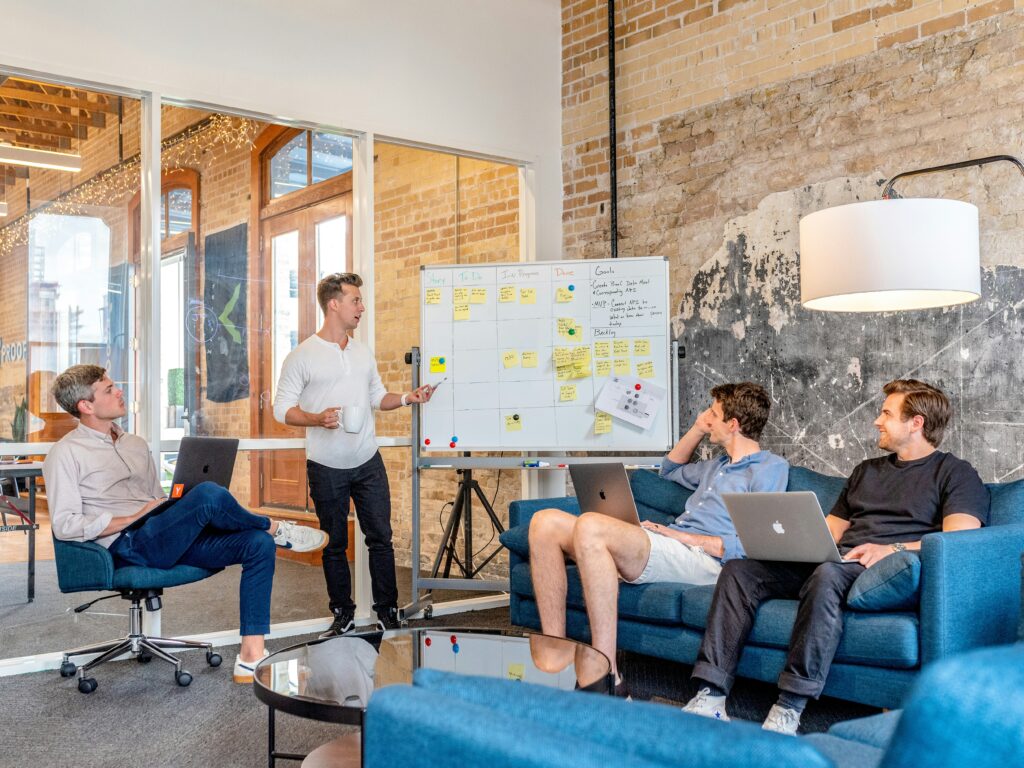
High-velocity engineering organizations solve delivery friction by deploying self-contained pods centered around specific business capabilities. Rather than routing tasks through separate departmental queues, each pod integrates the core skills required to ship functional software end to end.
Findings detailed in Google Cloud DORA research on organizational performance show that high-performing software groups achieve superior commercial outcomes by empowering autonomous teams to deliver smaller batches of work. Organizing around clear interfaces eliminates handoff delays while giving developers direct visibility into how their architecture behaves in live environments.
Autonomy also strengthens technical accountability across development cycles. When a dedicated squad owns a distinct capability end to end, code quality and deployment cadence improve naturally. Developers retain direct visibility into how their architecture behaves in production, encouraging cleaner interface design and proactive testing throughout the software lifecycle.
Protecting Architecture Standards and Code Governance
Expanding engineering capacity across multiple squads requires disciplined technical governance to prevent architectural drift. As distinct teams build new components, maintaining strict standards ensures that modular software remains interoperable over time.
Clean API contracts and shared schema definitions serve as the foundation for this alignment. By documenting system interfaces rigorously, teams prevent integration conflicts and ensure new features connect smoothly with legacy operational databases. Automated testing pipelines provide an additional safeguard, validating pull requests against defined security and performance benchmarks before code reaches production branches.
Preserving deployment inside private cloud infrastructure remains equally vital for corporate security. Running custom software and proprietary data connectors within your dedicated enterprise tenancy guarantees that internal data assets remain protected. Technical leaders gain complete visibility over compliance mandates, while the organization builds reusable digital assets that support long-term operational resilience.