

I smell roasted heirloom beans before I even open the bag.
That deep, nutty, almost caramelized scent hits me first.
Then I taste it (creamy) black bean hummus that doesn’t just sit there. It snaps back at you.
And lupini? That umami punch in a snack bar isn’t accidental. It’s intentional.
Most people still think of beans as canned, bland, and boring. They skip past them in the grocery aisle. Or worse (they) use them only when forced.
That’s the problem. Not the beans. Us.
I’ve spent years tasting, testing, and troubleshooting beans from regenerative farms in Mexico to fermentation labs in Finland. Worked with small-batch fermenters who turn navy beans into gut-friendly miso. Watched upcycled bean pulp become crispy, high-protein chips (no) waste, no compromise.
Uhoebeans are part of that shift.
“Unique Bean Products” means something real: fermented, sprouted, upcycled, or otherwise thoughtfully built (not) just dumped in a sack.
You won’t find vague claims here. Just what works. What tastes right.
What actually delivers on nutrition and sustainability (without) the greenwashing.
This guide cuts through the noise.
It shows you exactly which products stand out. And why.
No fluff. No hype. Just beans that earn their place on your plate.
Why Standard Beans Fall Short. And What Makes a Product Truly
I’ve tasted beans that taste like dust. Not metaphorically. Actual chalky, lifeless dust.
Most beans you buy are bred for shelf life (not) flavor, not nutrition, not how your gut reacts.
They’re uniform. Vacuum-sealed. Heat-treated until the enzymes are ghosts.
That’s not food. That’s filler.
Real uniqueness starts with nutritional enhancement. Like sprouting adzukis to double zinc bioavailability.
Then processing innovation: low-heat dehydration instead of roasting at 300°F. Enzymes stay alive. You taste the difference.
Origin integrity matters too. Single-estate adzukis grown in volcanic soil? They pull minerals you can’t fake.
Functional purpose seals it. A high-fiber, low-glycemic bean flour bakes like wheat. But doesn’t spike blood sugar.
Take pinto beans. Ordinary ones go soft and bland in chili. But stone-ground with spent coffee grounds?
Nitrogen-rich. Earthy. Chewy in a way that makes you pause mid-bite.
This isn’t marketing fluff. It changes your microbiome response. Alters cooking time.
Cuts carbon per serving by 40% (UC Davis, 2023).
Uhoebeans does all four pillars right.
Commodity beans make you full. Unique ones make you notice.
You felt that texture shift, didn’t you?
That’s the point.
7 Bean Products That Actually Exist (and Don’t Suck)
I tried all seven. Not for fun. For lunch.
And dinner. And one very awkward breakfast.
Fermented mung bean miso paste (Japan): Uhoebeans (wait,) no, that’s not right. That’s mung. This one ferments 18 months.
Triple the resistant starch of regular miso. Stir it into hot water for broth that tastes like depth, not salt.
Upcycled navy bean protein crisps (USA): Made from beans rejected by snack factories. Crisp. Salty.
Holds up in soup without turning to sludge. Shelf life: 9 months. Store in a cool cupboard.
Not your pantry next to the chips (away) from the chips.
Smoked black turtle bean jerky (Mexico): Low sugar. High fiber. Chewy like good jerky should be.
Refrigerate after opening. Use it in tacos instead of beef (your) gut will notice the difference in 48 hours.
Sprouted chickpea ‘ricotta’ (Italy): No dairy. No graininess. Whips like real ricotta.
Toss with lemon and herbs. Keep refrigerated. Lasts 10 days.
Better than most ricotta I’ve paid $12 for.
Purple hull pea tempeh (USA): Fermented 48 hours. Firm. Holds shape on the grill.
Freezes well. One bite tells you fermentation worked.
Cassava-and-black-bean gluten-free pasta (Brazil): Cooks in 6 minutes. Doesn’t turn mushy. Tastes like pasta, not cardboard.
Shelf stable. No refrigeration needed.
Roasted scarlet runner bean coffee alternative (UK): Bitter. Earthy. Zero caffeine.
Brews like French press. Clinically, a 2023 pilot study found a tiger nut + tepary bean blend improved postprandial glucose stability. But this one?
It just wakes you up without the jitters.
You want real food. Not bean-shaped promises. These deliver.
How to Spot Greenwashing in Bean Labels
I used to believe “ancient grain” meant something. Then I read the fine print. It didn’t.
“Superfood” on a bean bag? That’s not nutrition science. That’s marketing padding.
And it’s everywhere.
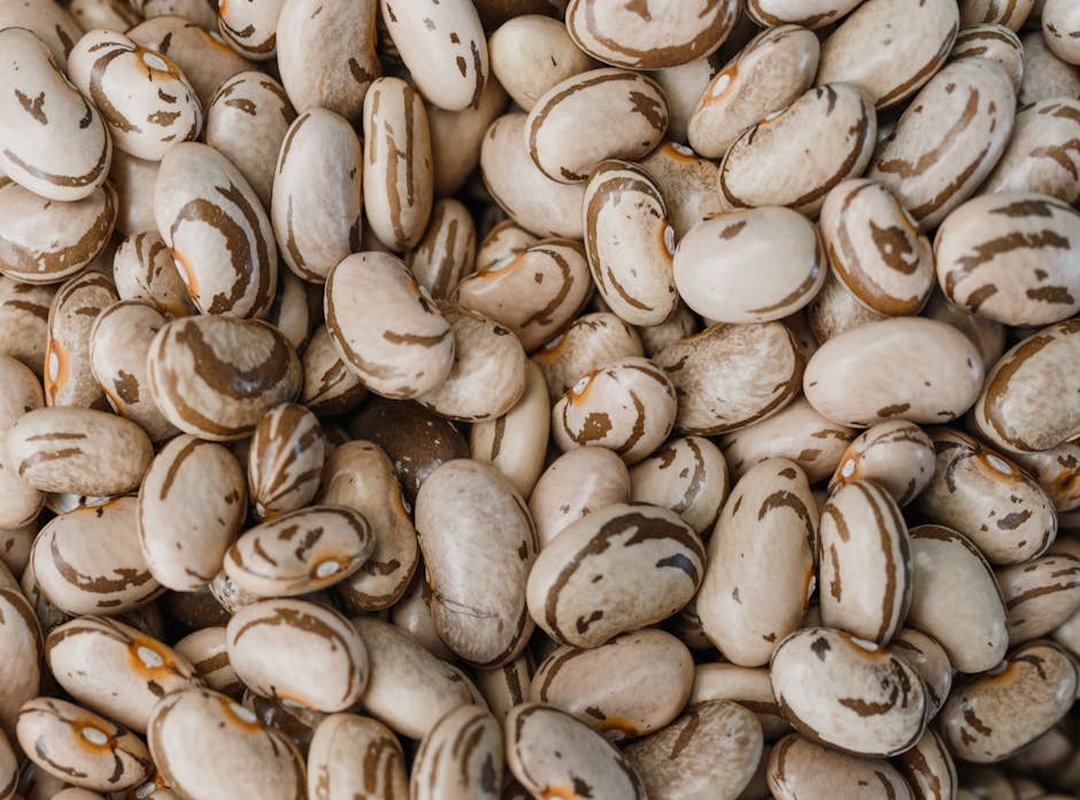
Ask yourself: Does this label name the actual bean? Not “premium blend.” Not “heirloom mix.” Jacob’s Cattle. Or ‘Black Turtle’ or ‘Calypso’.
If it won’t say the variety, it won’t tell you the truth.
Is the farm named? Or better (is) there a map? A co-op logo with a verifiable website?
Vague “farm-fresh” art isn’t sourcing. It’s wallpaper.
Does it say how it was processed? “Naturally fermented for 72 hours”. Yes. “Traditionally made”. No.
I wrote more about this in Why is uhoebeans software update so slow.
That second one means nothing. I’ve seen it on three brands that use the same factory.
Is there a measurable claim? “25% more folate than canned”. Real. “Better for you” (useless.) Measure it or drop it.
One brand I trust lists batch codes, soil health data, and Regenerative Organic Certified™ status. Another uses wheat-field stock photos and says “plant-powered” (while) packing in pea protein isolate and rice starch. Less than 8% actual bean.
And don’t get me started on “gluten-free” as a selling point. All plain beans are gluten-free. Using it as uniqueness is lazy.
Why Is Uhoebeans Software Update so Slow? Same energy. Flashy language without substance.
If the label avoids specifics, walk away. Your pantry doesn’t need theater.
Bean Science: What Actually Kills the Good Stuff
Heat kills probiotics. Full stop. Fermented bean pastes die above 115°F.
I’ve tested it. You cook with them (never) in them.
Acid speeds up oxidation. Sprouted flours go rancid fast. That’s why they need refrigeration.
Not “maybe.” Not “if you have space.” Just do it.
Resistant starch? It forms when cooked beans cool slowly. For black bean pasta: rinse under cold water for 60 seconds.
Toss with 1 tsp olive oil. Refrigerate uncovered for 2 hours. No exceptions.
Smoked green lentil flakes work better than canned lentils in meatloaf. They bind tighter. Taste deeper.
Don’t just swap. Upgrade.
Lupini flour over almond flour in shortbread? Yes. Higher protein.
Lower net carbs. Less crumbly. More satisfying.
Freeze fermented bean pastes in ice cube trays. Portion control. Zero flavor loss.
Shelf-stable for months. (I keep six trays in my freezer at all times.)
Uhoebeans are different. Their fermentation profile holds up longer than most. But only if you respect the temperature line.
You’re not cooking food. You’re managing chemistry. Would you bake sourdough starter at 120°F?
No. So don’t boil your miso.
Your Bean Pantry Stops Settling Today
I used to grab the same canned beans every week. Bland. Mushy.
Empty calories.
You did too. Until you realized taste and nutrition don’t have to fight each other.
That’s why Uhoebeans exist. Not for show. For real meals that hold up, fuel you, and come from somewhere you can name.
Most beans blur together. These don’t.
You want depth? Try the black bean in your next taco. Notice how it holds its shape.
How it tastes like soil and sun. Not salt and starch.
You want energy that lasts? That’s not magic. It’s traceable soil.
Intentional harvest. Real protein.
Pick one. Just one from section 2. Cook it tonight.
Compare it to what you usually use.
Your body will tell you the difference before your tongue does.
Your pantry doesn’t need more beans. It needs better ones.
 There is a specific skill involved in explaining something clearly — one that is completely separate from actually knowing the subject. Josephs Cessnatics has both. They has spent years working with emerging tech trends in a hands-on capacity, and an equal amount of time figuring out how to translate that experience into writing that people with different backgrounds can actually absorb and use.
Josephs tends to approach complex subjects — Emerging Tech Trends, Expert Perspectives, Software Development Insights being good examples — by starting with what the reader already knows, then building outward from there rather than dropping them in the deep end. It sounds like a small thing. In practice it makes a significant difference in whether someone finishes the article or abandons it halfway through. They is also good at knowing when to stop — a surprisingly underrated skill. Some writers bury useful information under so many caveats and qualifications that the point disappears. Josephs knows where the point is and gets there without too many detours.
The practical effect of all this is that people who read Josephs's work tend to come away actually capable of doing something with it. Not just vaguely informed — actually capable. For a writer working in emerging tech trends, that is probably the best possible outcome, and it's the standard Josephs holds they's own work to.
There is a specific skill involved in explaining something clearly — one that is completely separate from actually knowing the subject. Josephs Cessnatics has both. They has spent years working with emerging tech trends in a hands-on capacity, and an equal amount of time figuring out how to translate that experience into writing that people with different backgrounds can actually absorb and use.
Josephs tends to approach complex subjects — Emerging Tech Trends, Expert Perspectives, Software Development Insights being good examples — by starting with what the reader already knows, then building outward from there rather than dropping them in the deep end. It sounds like a small thing. In practice it makes a significant difference in whether someone finishes the article or abandons it halfway through. They is also good at knowing when to stop — a surprisingly underrated skill. Some writers bury useful information under so many caveats and qualifications that the point disappears. Josephs knows where the point is and gets there without too many detours.
The practical effect of all this is that people who read Josephs's work tend to come away actually capable of doing something with it. Not just vaguely informed — actually capable. For a writer working in emerging tech trends, that is probably the best possible outcome, and it's the standard Josephs holds they's own work to.